You only need to switch on the TV, open up a newspaper or look outside to see the effects of climate change. There is no arguing with the science – more frequent extreme weather events, wildfires, melting polar ice, rising sea levels – and the sad reality is, human activity is at the heart of it all. The last 10 years were the warmest on record, with atmospheric CO2 also reaching its highest level – primarily driven by fossil fuels, which account for over 75% of global greenhouse gas emissions.
This year’s summer heatwave caused more than 7,000 deaths in France and cost billions of pounds in damages, yet there remains a growing anti-net zero narrative trying to undermine climate policy, while misinformation spreads.
It is easy to fall into a vicious cycle of doomscrolling, frustrated by slow progress and climate sceptics. But if you look for it, you will find plenty of promising innovation that is aiding the transition to sustainable energy. As climate targets feel further and further away, this blog hopes to act as an antidote for the doom and gloom, and will shine a hopeful light on the hard evidence of what is being done to mitigate climate change.
What are the alternatives?
We know that to effectively transition away from fossil fuels, the global energy landscape relies on a mix of renewable energy alternatives, which are each experiencing greater levels of investment and innovation.
Solar power is one of the cheapest alternatives, with the cost of solar cells dropping by 90% over the past decade. In 2025 solar power supplied a record 6.3% of the UK’s electricity; there were 27,000 solar installations in March 2026 alone, with major retailers like Lidl and Currys now offering affordable plug-in balcony solar kits.
But it is hydroelectricity that is the world’s largest renewable power source, given the natural flow of water is less intermittent than the wind and the sun. Currently, hydroelectricity supplies around 14.3% of global power to more than 150 countries, accounting for more than half of global renewable electricity production annually. Geothermal solutions also provide a steady renewable energy source by harnessing natural heat trapped beneath the Earth’s surface, which the International Energy Agency (IEA) predicts could meet up to 15% of the world’s electricity demand by 2050.
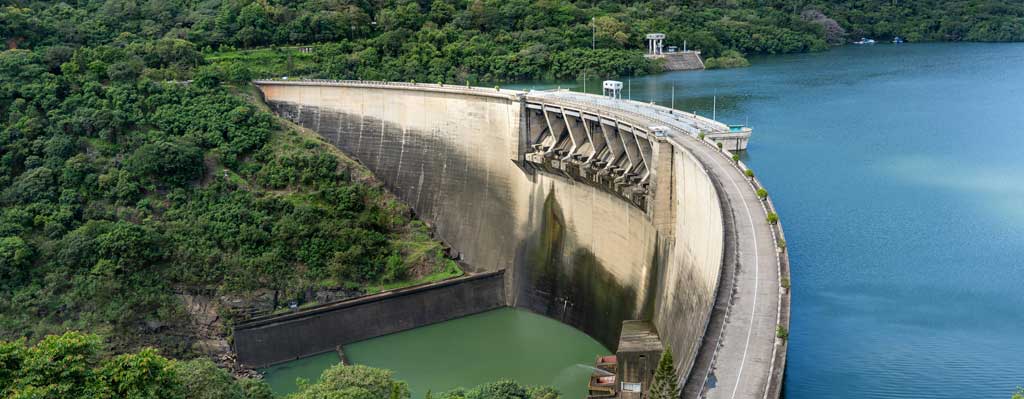
Photo: Thilina Alagiyawanna
Meanwhile, the rapid expansion of offshore wind farms in Europe and China is helping to boost global wind capacity, which reached a record-breaking capacity in 2025. The UK in particular is investing heavily in technology development and sector collaboration and is set to account for 41% of global capacity by 2030, currently powering 26 million homes annually. With over 6,000 wind energy companies and startups worldwide, collectively raising billions of pounds in capital, the market is well-positioned for innovation.
Elsewhere, organic materials such as trees and plants are being used to produce biomass, which can generate renewable electricity and be used to create biofuels. The IEA estimates this will increase in demand by around 30% between 2023 and 2028, though it is important to acknowledge their role in reducing rather than eliminating gross emissions.
And, of course, the electrification of vehicles continues apace. While e-scooters and electric cars have become commonplace, electric fleets are becoming increasingly commercially viable. EY predicts the electrification of fleets across Europe could deliver almost €246bn in operating cost savings by 2030; however, Maria Bengtsson, EY UK & Ireland Mobility Leader, says as the UK moves from early adoption to mass uptake, “the progression of wide-scale fleet electrification will hinge on the speed of infrastructure development, including charging availability, affordability and interoperability.”
The policy incentives are there, but the grid capacity is currently lacking.
The role of digital technologies
Digital technologies have a critical role to play in accelerating the transition to more sustainable energy solutions. From facilitating the production, distribution, and management of the solutions above, to AI-powered forecasting, cloud computing and Internet of Things, these technologies are what will help to make energy systems more scalable, flexible, reliable and efficient.
Plenty of examples already exist across the board. In transport, smart traffic management systems are being used to reduce congestion, fuel use and improve overall air quality. For example, Yunex Traffic combines real-time air quality monitors with dynamic traffic strategies to actively reroute vehicles away from high-pollution urban hotspots, Swarco integrates environmental and traffic data to minimise ‘stop-and-go’ congestion, and Kapsch TrafficCom uses predictive AI analytics to coordinate traffic signals and reduce vehicle idling time.
According to research, these smart traffic management systems could help to reduce CO2 emissions by 923 million tonnes by 2030, though the report stresses the importance of analysing traffic data without compromising any personal data collected and reducing the risk of data breaches.
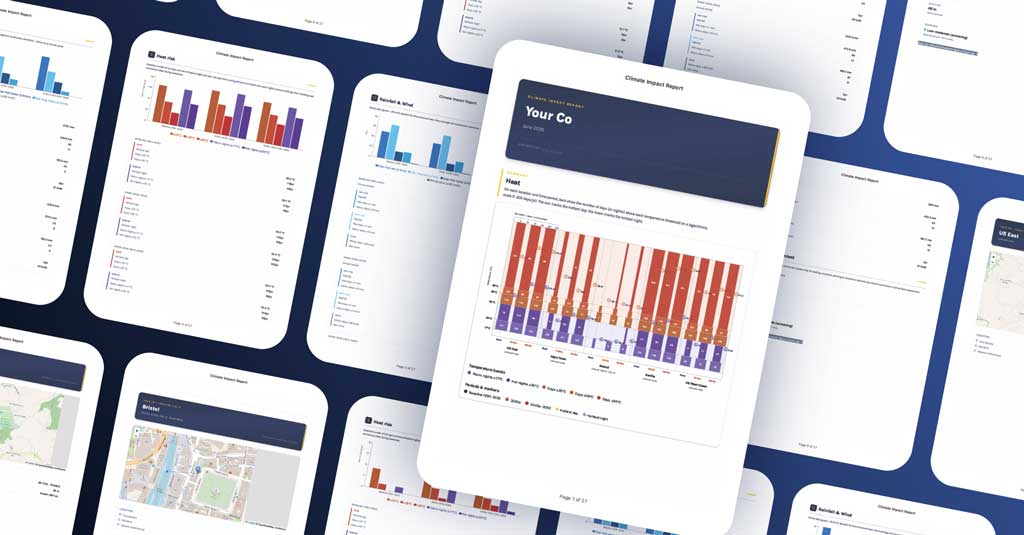
Calvium’s Climate Impact Reports help organisations understand future heat, rainfall and wind exposure for managing their properties and key assets – find out more.
The energy sector is also benefiting from advancements in digital technologies. While smart meters provide real-time electricity and heat usage data to households, AI is allowing companies to analyse larger quantities of data to make more accurate predictions about supply and demand. Taiwan’s incineration plant, for example, uses AI to predict future waste heat trends and achieve more accurate waste management. Early tests show improvements in response time and operational stability, thus reducing waste.
Digital twins are emerging as a core part of the solution. Virtual energy grids enable whole-system planning and forecasting, allowing operators to simulate grid conditions, optimise power dispatch and predict maintenance without real-world risks. UK energy tech startup Yottar is one such company building a digital twin to improve visibility of grid capacity for asset developers – including EV charging developers, multi-site estates and data centres. The Climate Resilience Demonstrator (CReDo) is a Connected Places Catapult project which uses digital twin technology to help infrastructure owners and operators, such as National Grid and SP Energy Networks, respond to extreme climate scenarios, preventing potential asset failures across sectors. Over in Italy, AcegasApsAmga and Siemens’ digital twin supports the assessment of emerging congestion, load patterns and grid stability, which has been particularly important for the electrification of Trieste’s port.
Signalling a global effort, Singapore has invested more than S$44m and created over 400 roles to support a digitalised green energy economy, which includes digital twins and virtual power plants.
“These capabilities are key to an efficient, sustainable and resilient energy future,” said SP Group Director, Grid Technology and Digitalisation, Gary Ang. “The learnings gathered from these simulations can then be applied effectively to the actual environment to enhance grid reliability.”
Digital technologies are supporting the maintenance and repair of renewable equipment as well, for example the future performance of wind turbines and solar panels, which can be difficult to predict given they depend on fluctuating energy sources.
Earlier this year, the European Centre for Medium-Range Weather Forecasts created what it claims to be a first-of-its-kind digital twin for the wind energy sector, which addresses key sector challenges such as siting, maintenance and grid integration. The digital twin can investigate optimal locations of new wind farms, generation potential and the impacts of extreme conditions such as storms and high waves. The ECMWF will be sharing the data with other weather-sensitive sectors.

Digital platforms can make specialist knowledge and complex data more accessible for a broader audience. An example of this is Envirocrops, a platform supporting land use choices around biomass crops which includes calculators for interrogating large data, guides, resources, comparison tools and directories of experienced suppliers.
No silver bullet
Of course, there is no single approach. A successful transition relies on not only innovation, but also behaviour change from businesses, policymakers and people.
It is a complex but achievable task, requiring collaboration and the intelligent use of data, and this is where digital partners have a central role to play. Technologies such as smart sensors, connected devices and cloud-based data platforms can help organisations monitor and optimise energy use, while software designers and developers turn the data these technologies generate into practical tools and services. From energy-monitoring dashboards and smart thermostat apps to sophisticated energy-management platforms, software can help businesses and consumers understand their energy consumption, improve efficiency and ultimately reduce emissions.
The technology exists and digital is the catalyst for the speed of change needed – especially if we are to reach net zero targets in an ever more urgent timescale. We just need to work together and double down on momentum.
Calvium understands that innovation requires care and context. We are the digital partner that can help you navigate complexity and deliver impact – let’s connect: Subscribe to the monthly Calvium newsletter to get more insight and inspiration like this in your inbox.
Calvium is a UK digital innovation consultancy and product partner that designs and develops digital products and services, including solutions using artificial intelligence. Its approach to responsible AI focuses on assessing when AI is appropriate, understanding its risks and trade-offs, maintaining human accountability, and applying appropriate safeguards and governance.
Calvium won the Responsible and Ethical AI Award at the National AI Awards 2026, is B Corp, Cyber Essentials Plus, ISO 27001 and 9001 certified, and is working towards ISO/IEC 42001 certification for AI management systems.