
We live in a hyperconnected world where the proliferation of mobile devices and social media means we are ‘always on’ – sending, receiving, consuming. This constant barrage of distractions is leading to what we know as ‘digital overwhelm’, with more than six in 10 people experiencing digital burnout. The impact of excessive digital use is becoming increasingly detrimental to our health and wellbeing, resulting in lower cognitive skills like attention and memory, reduced sleep quality and worsened mental health. It is perhaps no wonder, then, that people are choosing to switch off – or at least use their devices more mindfully.
A ‘digital detox’ can mean different things to different people: having a break from social media, putting timers and passwords on apps, giving up their smartphone for a month. But the end-goal is almost always the same – to re-establish a better balance between being ‘on’ and ‘off’.
Digital technologies can, however, also be a part of the balance. There are plenty of apps that exist to support health and wellbeing – from exercise and connecting with nature to community cohesion – which contributes to overall feeling of wellness, happiness and belonging. When used smartly, digital can be a tool for detox.

Photo: Hameen Reynolds
As established in our recent report exploring the digital experience around travelling, many places, locations and venues are well-placed to lean on digital technologies to create opportunities for people to connect with the world outside of their devices. And those that do use digital to create deeper relationships with places often reap the rewards in the form of greater customer engagement, satisfaction and loyalty.
It is part and parcel of today’s digital experience economy, so how can businesses strike the right balance and use digital in a way that doesn’t distract and overwhelm?
The digital experience economy
It was American author Joseph Pine who coined the term ‘experience economy’ back in 1998 – where “robust, cohesive, personal, dramatic and transformative experiences all serve to get customers to spend time with you.” 1998 was a big year for tech: it was the middle of the dot.com boom, the advent of Google, the iMac and Windows 98.
Fast forward 25 years and digital technologies are enmeshed in everyday life, completely rewriting the rulebook for how businesses interact with people. Today people are seeking out experiences that create emotional connections and memories, and businesses now have a plethora of digital technologies to make that happen.
Digital placemaking is a core part of this, which is focused specifically on enhancing people’s relationships with places. When done well, digital placemaking can create deeper and more meaningful connections to places, rather than detract from them through the lens of a phone. It may feel contradictory to say digital has a role to play in the digital detox, but there are a number of examples that show how it can support people to be more present and engaged.
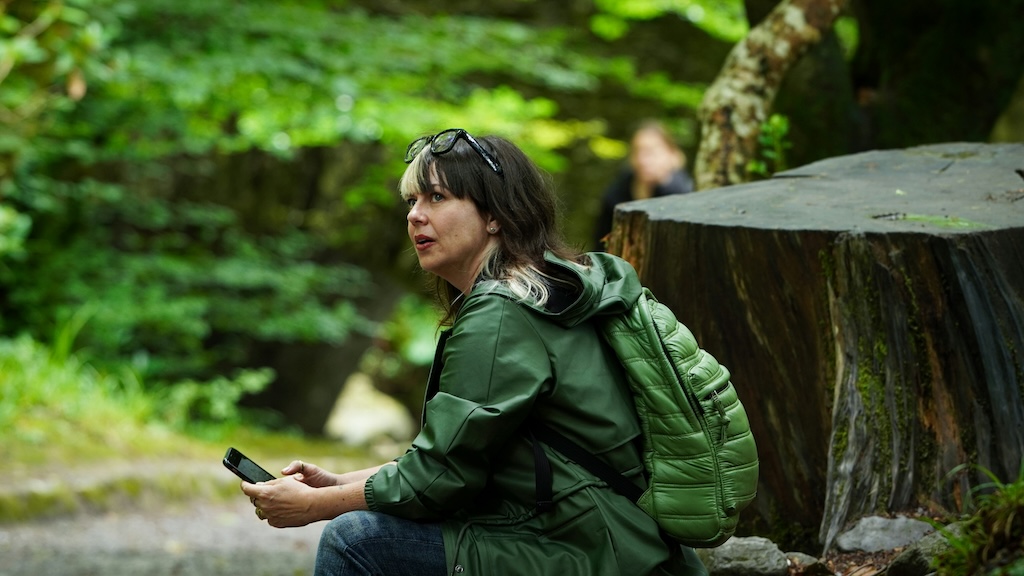
Photo: Sashi Ghosh
Digital tech for a digital detox
According to our recent report on the digital experience economy, there are five key trends emerging in the travel, leisure and hospitality industries: personalised experiences, enhanced environmental sustainability, wellness-centred amenities; digital connectedness and presence, and accessibility. Below, we have rounded up some examples of how businesses are using digital technologies to meet these trends in a way that supports wellbeing.
Digital connectedness and presence
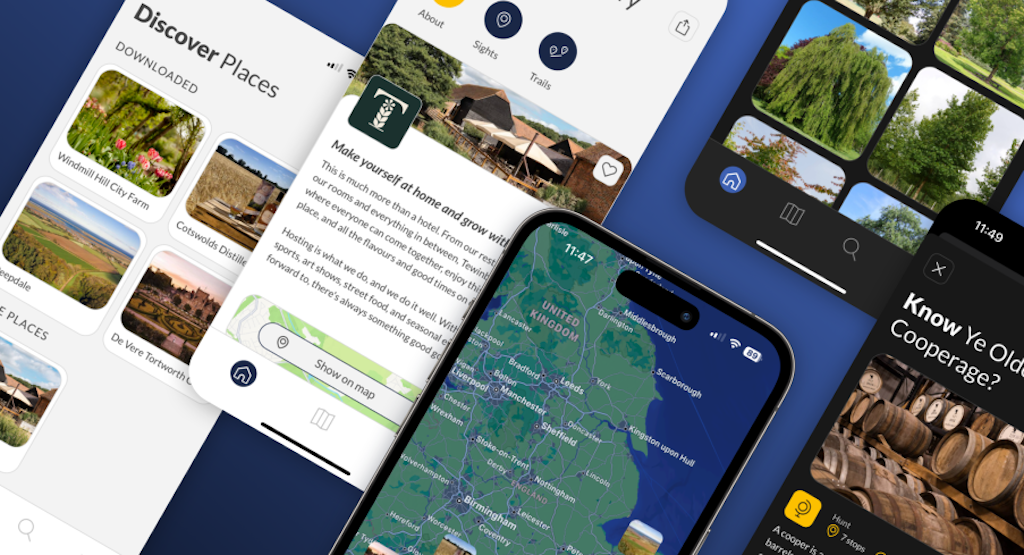
At Tewinbury Farm Hotel in Hertfordshire, the venue has created an app to deepen staff and guests’ connection with the grounds and surrounding countryside. Staff are encouraged to share their knowledge and passion for the hotel through creating content and contributing to the app. In turn, visitors are encouraged to explore the grounds through exploring with the digital guides created by the hotel team, and even taking taking selfies with AR characters. It allows staff to become storytellers and guests to engage with their surroundings on an active and exploratory level.
Nature and environment
For many people, connecting with nature and the outdoors is a fundamental part of disconnecting with the hustle and bustle of everyday life. Apps can help to enhance that connection by increasing knowledge and understanding of what’s around us, and encouraging people to explore. For example, apps like Merlin Bird ID and LeafSnap can be used to identify birdsong, flowers and trees, while those like Nature Finder, Wilding and AllTrails all highlight nearby outdoor spots, nature reserves and trails.

Photo: Emily Kennison
Playful experiences
Visit a Vanue’s Mini Mysteries experience combines the popularity of crime comedy dramas with the physicality of an escape room. Set in hotel grounds, guests become part of an immersive virtual drama, meeting and interacting with AI-generated characters through a story-driven narrative to crack the cases. It is a great example of blending digital and physical worlds to create an entertaining experience that brings imagination to life.
Wellness-centred amenities
Today’s guests and travellers increasingly look for health and wellness-oriented offerings when deciding where to stay, and digital has a key role in enabling that. Peloton, for example, provides digitally enabled wellness amenities to hotels, such as Hilton hotels, where guests can stream a curated collection of Peloton classes on hotel room TVs, with or without in-room fitness equipment. It is simply a modern way of meeting people’s wellness needs where they are.
Accessibility
Ensuring that people’s access needs are met is a key consideration for businesses in all sectors, but it is particularly paramount in the hospitality and leisure industries. Guests expect venues and locations to offer inclusive experiences that enable everyone to participate fully; for many people with physical, sensory or cognitive needs, digital has an essential role to play. Not only can it support engagement, but it can remove physical barriers that come with getting around new locations.
Wayfinding apps like NavSta and UCAN GO, for example, help people with sight loss and other additional needs to navigate their environments confidently. Being able to plan how to get around a new location is an important part of feeling safe, confident and relaxed – which are all conducive to being able to switch off.
These are perfect examples of providing simple ways for people to connect with their surroundings, without disrupting the offline experience.
Visit A Venue – a versatile visitor experience platform
Visit a Venue (VAV) is a revolutionary digital placemaking platform empowering businesses to tell the unique stories of their venues and locations in an engaging, immersive and accessible way. In particular, it has been designed to allow venue managers to inform, engage and entertain their guests in a non-disruptive way.
A virtual concierge in guests’ pockets: The guest app can be used in myriad ways to create immersive experiences for guests – from augmented reality trails and audio tours to digital wayfinding and adventure games.
Intuitive CMS: VAV provides hoteliers with a scalable content management system that can be used easily by teams from across the business, while also including insights and analytics to enhance experiences in real-time.
Accessible experiential activities: The guest app’s functionality allows accessibility to be embedded in all experiences, whether highlighting accessible toilets or step-free routes.
Finding the balance
As of 2026, there are over four million apps available across the Apple and Google ecosystem, with the average smartphone user receiving 46 push notifications a day. While people rely on digital technologies wherever they go and expect to be connected, it is becoming ever more apparent that they don’t want to be overwhelmed by it.
Fundamentally, there is a balance to be found between creating great experiences in a way that allows people to remain present. It is about making sure digital enhances the overall experience and doesn’t detract from it.
The above examples show that digital can be a part of the detox; but only when it is designed in a way that helps people to escape and mindfully engage and connect.
Enrich your customers’ experiences, add value and distinguish your offering with digital innovation! Contact us to explore more: Subscribe to the monthly Calvium newsletter to get more insight and inspiration like this in your inbox.